Bathroom Lighting Design Guide
A bathroom needs three lighting zones, mirror, wet area, ambient, all on independent dimmers. Here is the playbook.
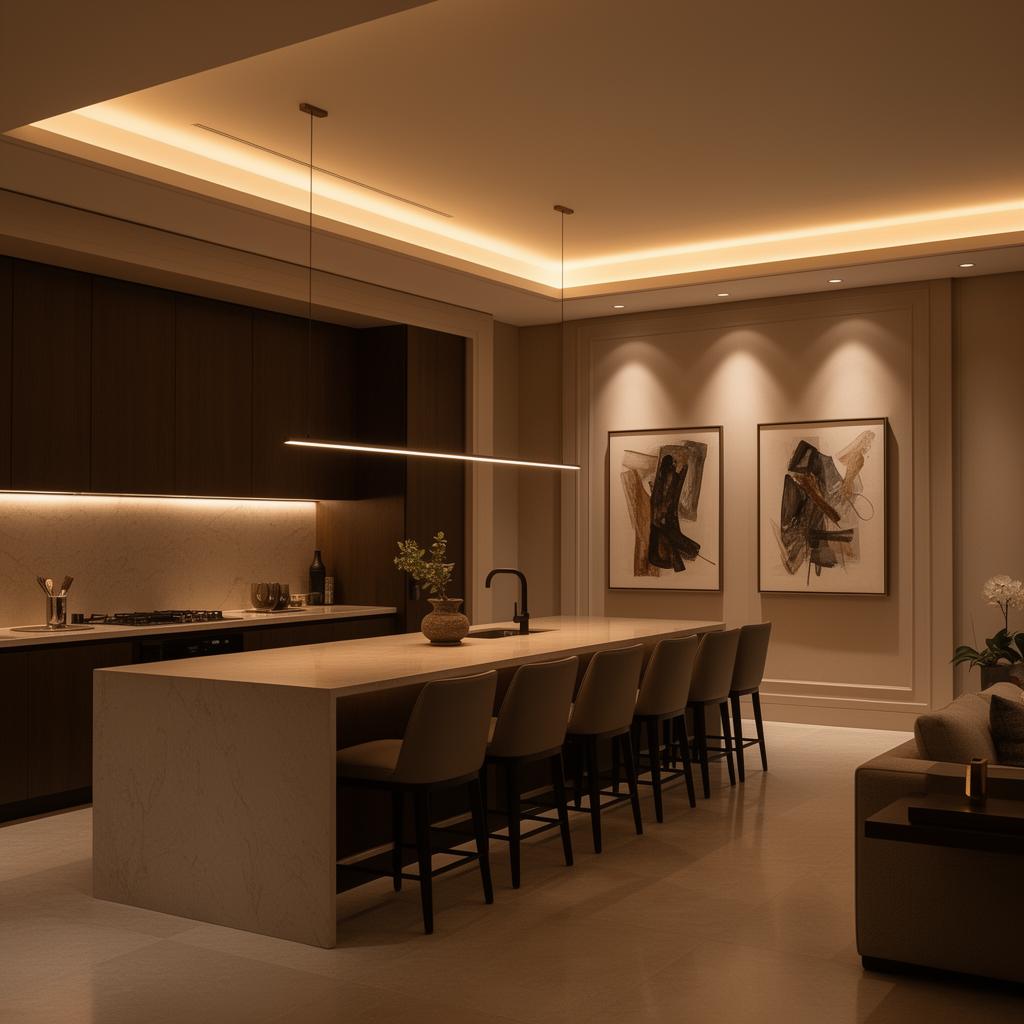
Three Zones, Three Layers
A well-designed bathroom separates mirror, wet area and ambient on dedicated circuits. Each has different lux, IP and glare requirements.
Lux and CCT
| Zone | Lux | CCT |
|---|---|---|
| Mirror (vertical at face) | 400–500 lux | 3000K |
| Shower (IP65) | 200–300 lux | 3000K |
| Ambient (cove or recessed) | 150–250 lux | 2700K–3000K |
| Night scene | 5–20 lux | 2200K–2400K |
Mirror Lighting Rule
Light the face, not the mirror. Twin vertical sources at face level beat a single downlight above the head, which casts shadows under the eyes and chin.
IP Ratings
- IP44 minimum in the bathroom zone
- IP65 in the shower zone
- Class II fittings near water
- No exposed transformers in wet zones
Common Mistakes
- Single downlight over the mirror
- Cool CCT in residential bathrooms
- No dimming, no night scene
- CRI below 90 (skin reads grey)
Professional Recommendation
Three circuits minimum, mirror, wet zone, ambient. Add a low 2400K night scene if the bathroom is used after midnight.
Lighting Intelligence by Alya
At Ashwamedha Design Solutions, this is part of our Lighting Intelligence practice, every recommendation is validated through DIALux simulation, lux calculations and visual comfort analysis before it reaches a construction site. Alya, our lighting intelligence platform, packages this thinking into reusable design tools.
Frequently Asked Questions
Are LED strips safe in bathrooms?+
Yes if IP65-rated and installed by a qualified electrician. Use them as concealed cove or under-vanity.
What is the best CCT for a luxury bathroom?+
2700K–3000K with CRI 90+. Skin tone is the most important surface.
Related Service
Residential Lighting Design
See how this thinking is applied on live projects.
Need help applying this to your project?
Our team can review your space and turn these ideas into a measured lighting design.