Common Lighting Design Mistakes (and How to Avoid Them)
The avoidable lighting mistakes we see most often, downlight grids, wrong CCT, no scene control, and how to design around them.
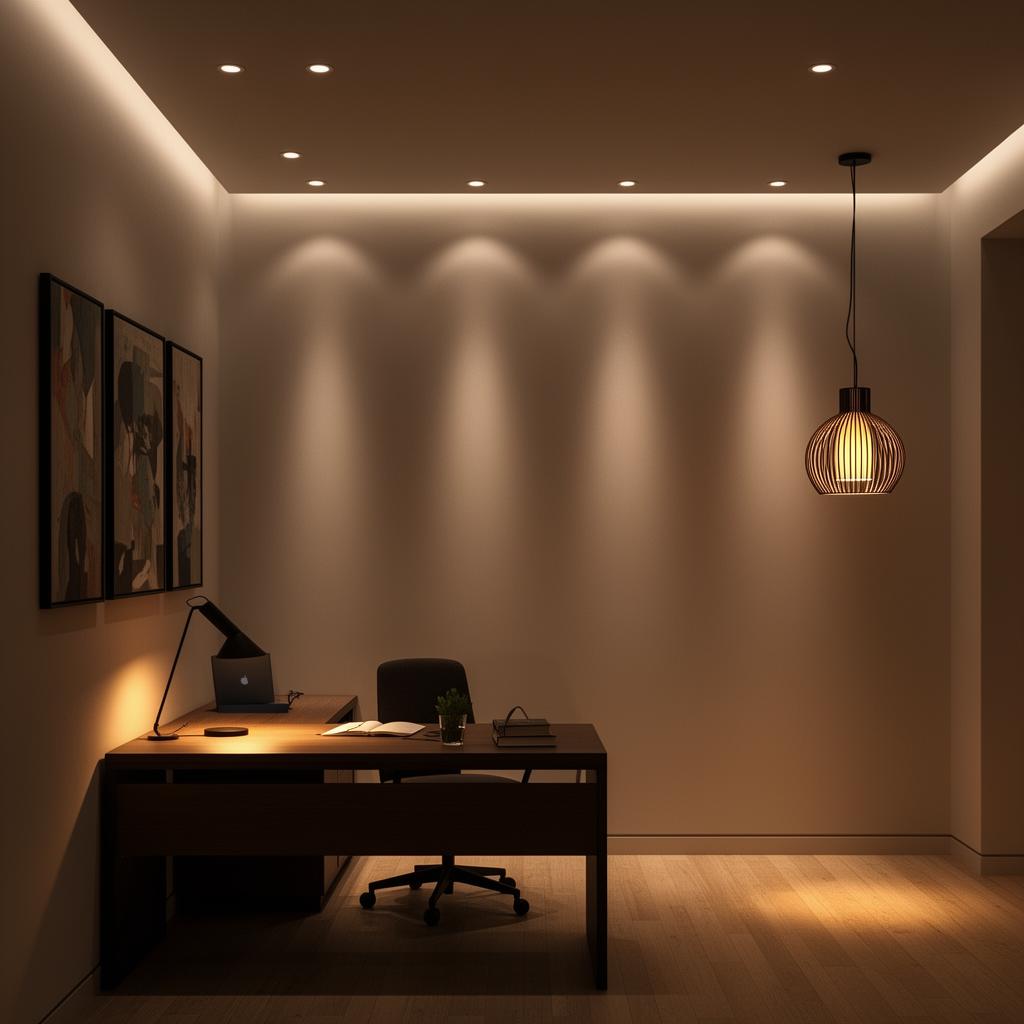
Introduction
Most lighting problems on built projects are not caused by bad fixtures. They are caused by a handful of repeated design mistakes that compound through specification, installation and commissioning.
Why It Matters
Lighting is one of the most visible parts of a finished space. A great interior with weak lighting reads as a weak interior.
The Top Ten Mistakes
- Uniform downlight grids with no hierarchy
- Wrong CCT for the room function
- CRI below 90 in spaces with people
- No vertical illuminance, walls and faces left dark
- Single switch for the entire room, no layers
- Pendants used as the only task light
- Glare ignored, no shielding, deep recess or honeycomb
- Cheap drivers that flicker on dimming
- No daylight integration, lights on all day
- No commissioning, scenes never tuned after handover
Common Mistakes (Continued)
- Specifying lux without specifying glare control
- Skipping DIALux on critical rooms
- Mixing CCT bins from different production lots
Professional Recommendation
Build a checklist. Run every space against it before specification is frozen. Most failures are mistakes of omission, not capability.
Lighting Intelligence by Alya
At Ashwamedha Design Solutions, this is part of our Lighting Intelligence practice, every recommendation is validated through DIALux simulation, lux calculations and visual comfort analysis before it reaches a construction site. Alya, our lighting intelligence platform, packages this thinking into reusable design tools.
Frequently Asked Questions
Why are downlight grids a problem?+
They equalise the room. Hierarchy, contrast and focal points are what make a space feel designed. An even grid removes them.
What is the single fastest improvement?+
Split the room onto independent dimmers and add a single accent layer. Visible result, low cost.
What gets fixed in commissioning?+
Scene levels, dim curves, sensor delays, daylight thresholds. Even a perfect specification needs hours on site to feel right.
Related Service
Lighting Intelligence
See how this thinking is applied on live projects.
Need help applying this to your project?
Our team can review your space and turn these ideas into a measured lighting design.