How to Reduce Glare in Offices
Glare is the number one comfort complaint in offices. The eight design moves that bring UGR safely below 19 in real workspaces.
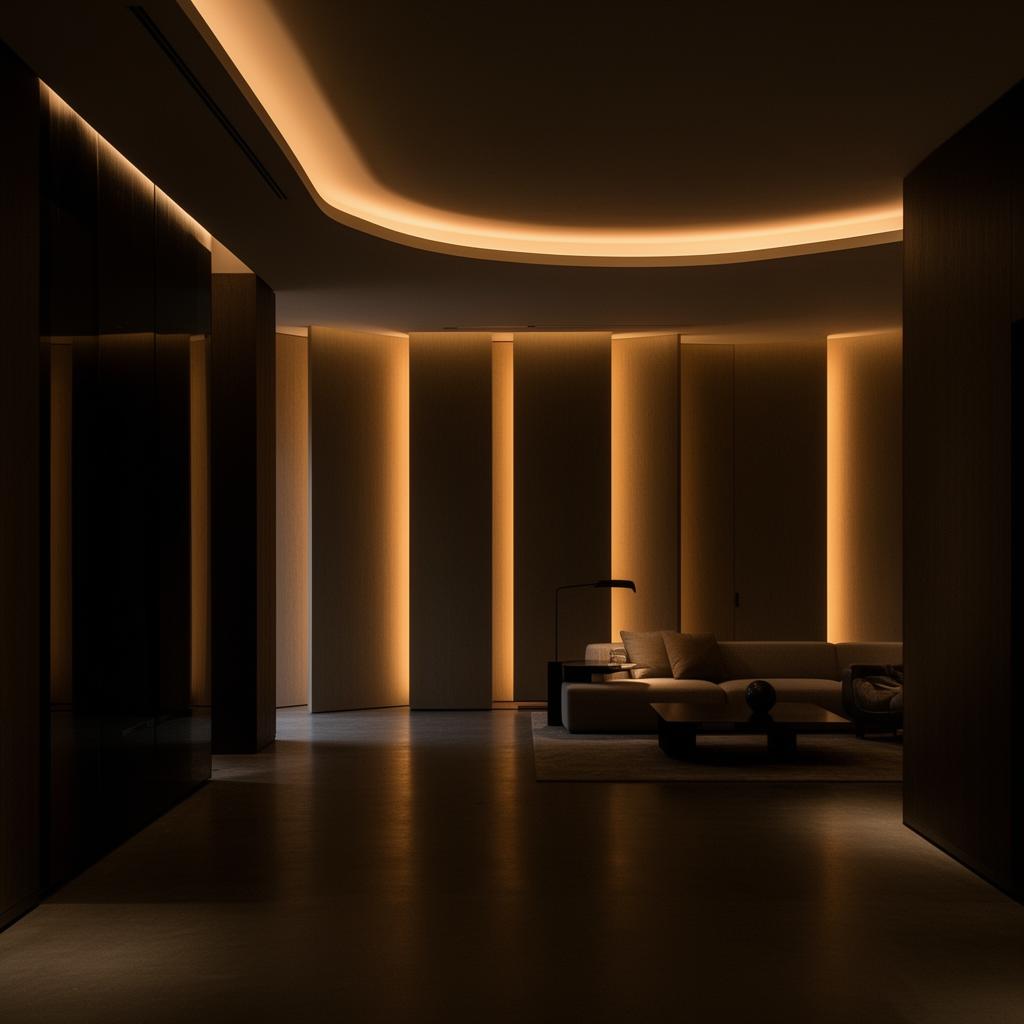
Why Glare Matters
Glare drives more workplace lighting complaints than any other metric. It produces eye strain, fatigue and visible reflections on screens.
Eight Moves That Reduce Glare
- Use UGR ≤ 19 fixtures (UGR ≤ 16 for VDT-intensive zones)
- Deep recessed downlights or honeycomb louvres
- Indirect or 50/50 direct-indirect linear fixtures
- Match mounting height to ceiling and beam
- Calculate UGR in DIALux from real observer positions
- Soft-edge beam optics on accent spots
- Daylight blinds with automatic control on bright facades
- Avoid bright fixtures inside the 45° cone of normal sight
Common Mistakes
- Pendants without UGR data
- Surface-mounted bare LED panels
- Mirror-finish reflectors aimed at desks
- No glare check before specification freeze
Professional Recommendation
Every workspace fixture should ship with verified UGR data. If a supplier cannot provide it, select another product.
Lighting Intelligence by Alya
At Ashwamedha Design Solutions, this is part of our Lighting Intelligence practice, every recommendation is validated through DIALux simulation, lux calculations and visual comfort analysis before it reaches a construction site. Alya, our lighting intelligence platform, packages this thinking into reusable design tools.
Frequently Asked Questions
Does dimming reduce glare?+
It reduces the absolute brightness but does not change the glare geometry. Fixture choice and shielding matter more.
Are screens themselves a glare problem?+
Yes, reflective screens placed near bright fixtures or windows. Use blinds, anti-glare screens and indirect lighting.
Related Service
Commercial Lighting Design
See how this thinking is applied on live projects.
Need help applying this to your project?
Our team can review your space and turn these ideas into a measured lighting design.