Lighting Calculations Explained
From quick lumen-method estimates to full point-by-point simulation, an overview of how lighting designers verify their work.
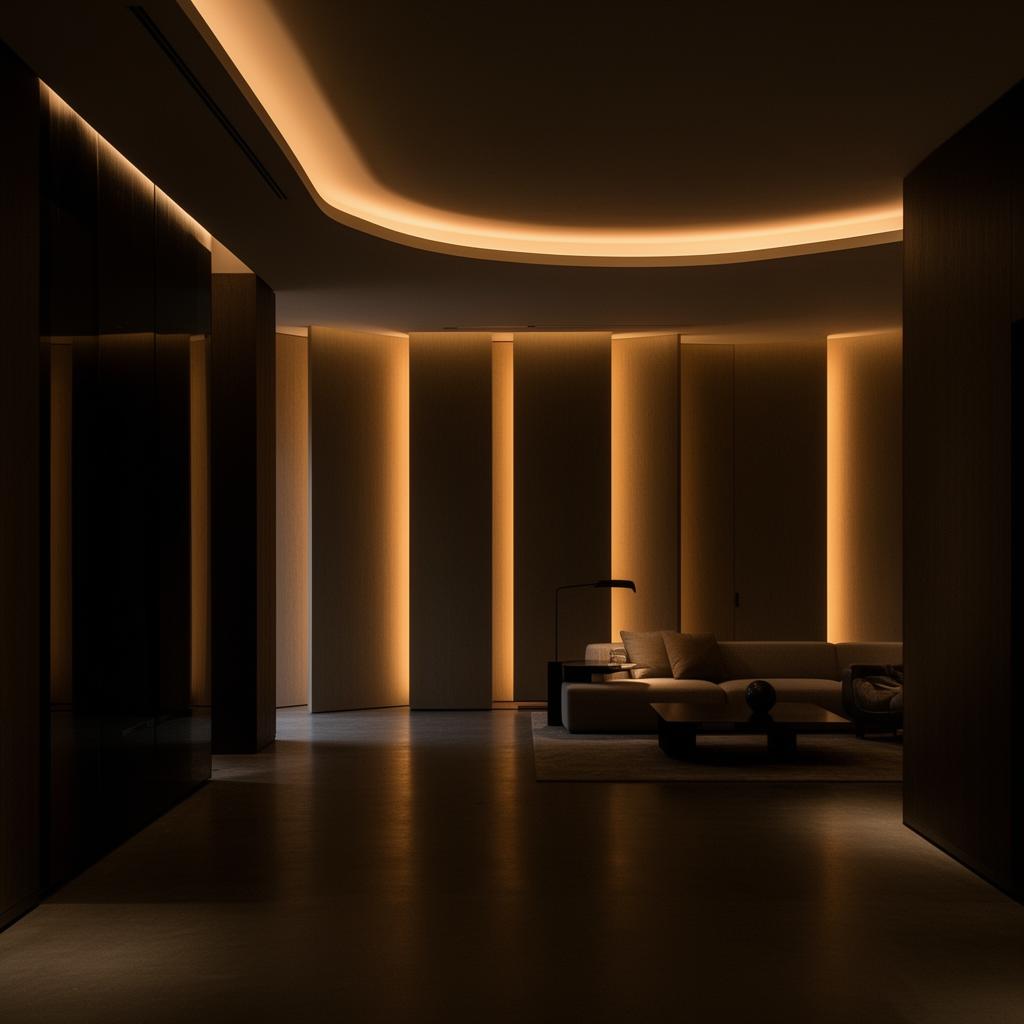
Three Methods, Three Levels of Detail
| Method | What It Tells You | When to Use |
|---|---|---|
| Lumen method | Average lux on the working plane | Quick feasibility, early design |
| Point-by-point | Lux at specific positions | Spot check accents and feature lighting |
| Full DIALux simulation | Lux, UGR, uniformity, W/m², false colour | Final design and specification freeze |
The Lumen Method (Quick Estimate)
Average lux = (Total lumens × CU × MF) / area, where CU is coefficient of utilisation and MF is maintenance factor. Useful as a sanity check, not a final design tool.
What Each Verifies
- Lux meets the design target
- Uniformity is acceptable (U0 ≥ 0.60 for offices)
- UGR is within limits (≤ 19 for offices)
- Energy density is within budget (≤ 8 W/m² for offices)
Common Mistakes
- Lumen method only, no simulation
- Ignoring maintenance factor
- Trusting average lux without uniformity
Professional Recommendation
Use the lumen method to scope. Use DIALux to verify. Never skip the second step on commercial or hospitality projects.
Lighting Intelligence by Alya
At Ashwamedha Design Solutions, this is part of our Lighting Intelligence practice, every recommendation is validated through DIALux simulation, lux calculations and visual comfort analysis before it reaches a construction site. Alya, our lighting intelligence platform, packages this thinking into reusable design tools.
Frequently Asked Questions
What is the maintenance factor?+
A multiplier (typically 0.7–0.8) that accounts for dust accumulation, LED lumen depreciation and surface ageing over time.
Related Service
Lighting Intelligence & DIALux
See how this thinking is applied on live projects.
Need help applying this to your project?
Our team can review your space and turn these ideas into a measured lighting design.