Lumens Explained
Lumens measure the total light a fixture produces. The starting point for every lighting calculation.
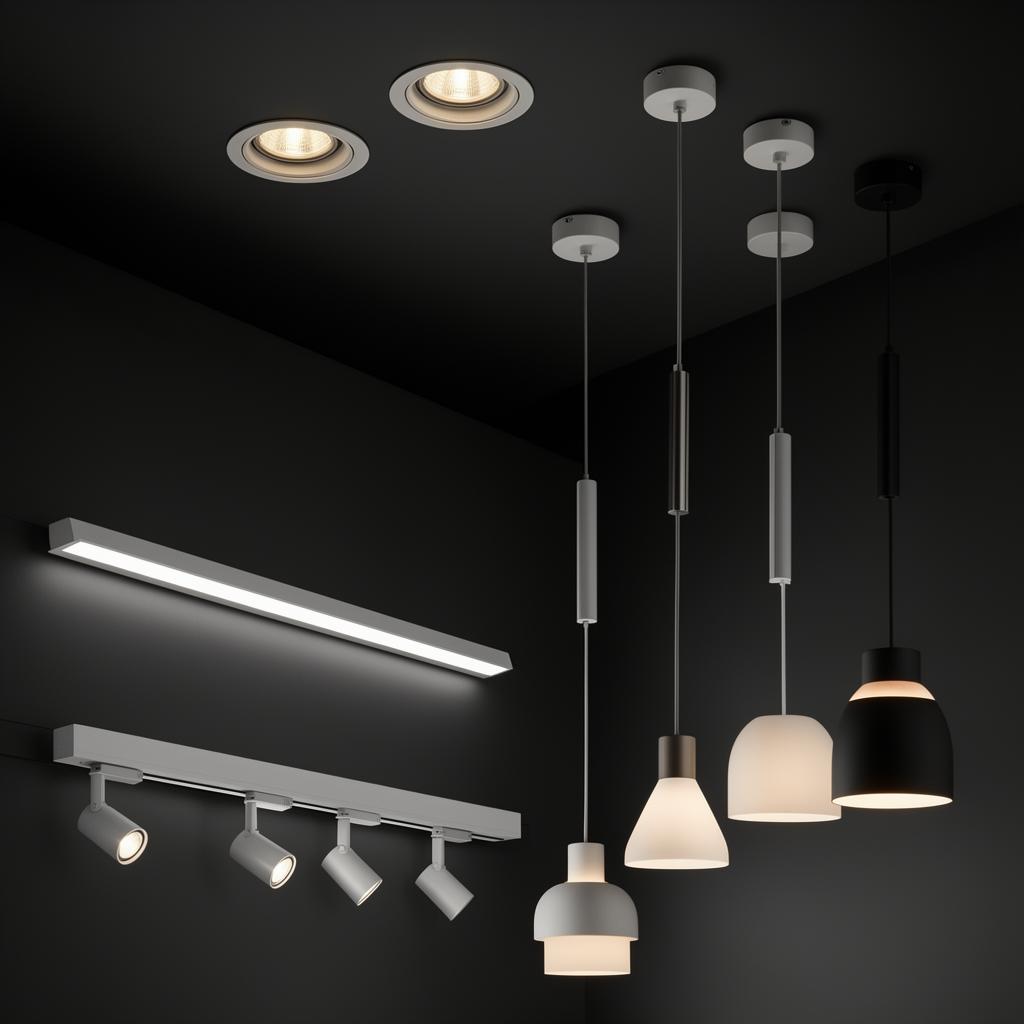
What Lumens Measure
Lumens (lm) measure luminous flux, the total quantity of visible light a source emits in all directions.
Lumens vs Watts
Watts measure energy consumed. Lumens measure light produced. A modern LED at 100 lm/W produces ten times more lumens per watt than an old incandescent. Always specify lumens, not watts.
Approximate Lumens by Fixture Type
| Fixture | Typical Lumens |
|---|---|
| Standard downlight | 500–1500 lm |
| Linear LED strip | 500–2000 lm/m |
| Pendant | 600–3000 lm |
| Track spot | 700–2500 lm |
| Floodlight (outdoor) | 1500–10000 lm |
Common Mistakes
- Specifying watts instead of lumens
- Comparing fixtures of different beams by lumens alone (beam matters)
- Ignoring the optic efficiency, raw lumens vs delivered lumens
Professional Recommendation
Specify lumens, beam, CCT and CRI together. A fixture is the four numbers, not the wattage on the box.
Lighting Intelligence by Alya
At Ashwamedha Design Solutions, this is part of our Lighting Intelligence practice, every recommendation is validated through DIALux simulation, lux calculations and visual comfort analysis before it reaches a construction site. Alya, our lighting intelligence platform, packages this thinking into reusable design tools.
Frequently Asked Questions
How many lumens for a living room?+
Roughly 30 lm/sq.ft as a starting average, then adjust by ceiling, finishes and design intent. Verify in DIALux.
Is more lumens always better?+
No. Too many lumens creates glare, energy waste and discomfort. The right lux for the function is the goal.
Related Service
Lighting Intelligence & DIALux
See how this thinking is applied on live projects.
Need help applying this to your project?
Our team can review your space and turn these ideas into a measured lighting design.