Hospitality Lighting Guide
Principles for lighting hotels, restaurants, lobbies, guest rooms and bars, designed around mood and memory rather than fixture counts.
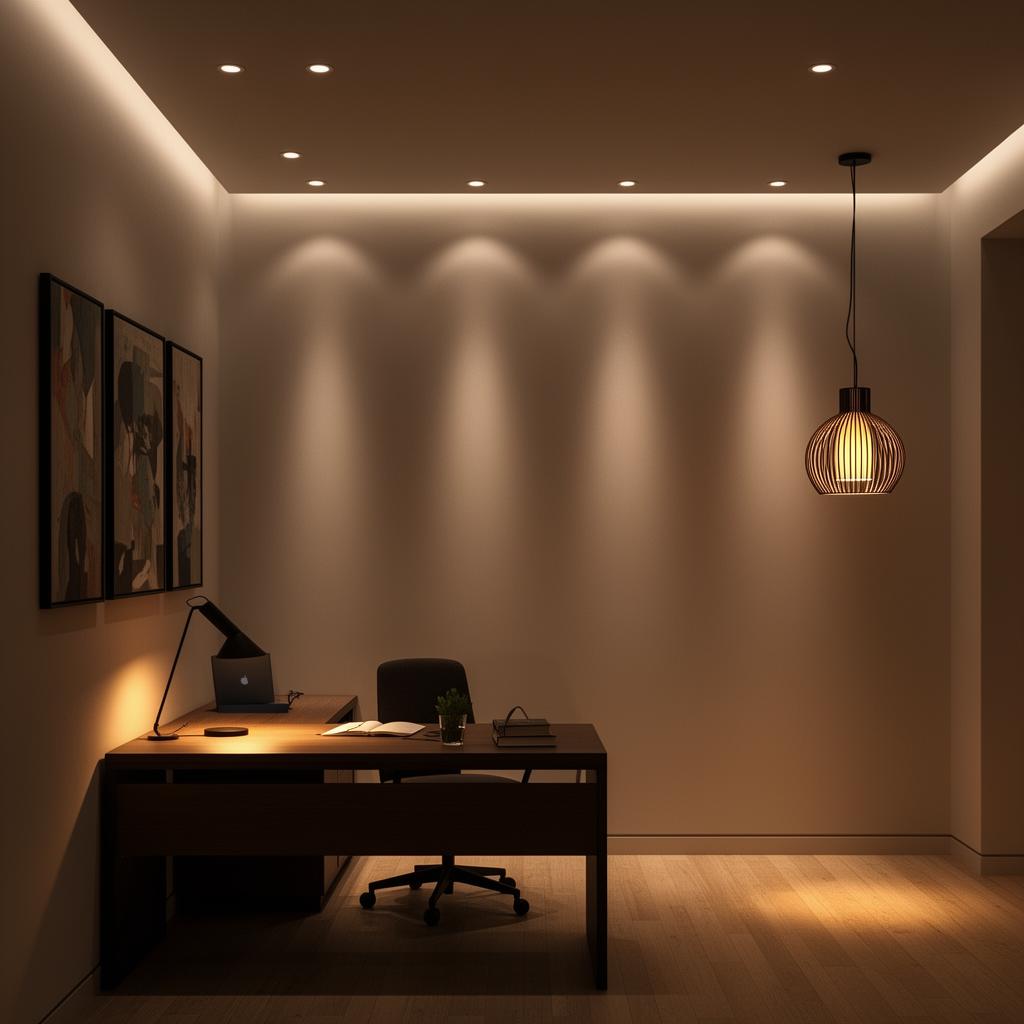
Introduction
Hospitality lighting shapes emotion before guests notice the architecture. The difference between a memorable restaurant and a forgettable one is often lighting.
The Goal of Hospitality Lighting
Not brightness. Mood. Guests should feel comfortable, relaxed and visually connected to the environment.
Restaurants
- 50–150 lux ambient
- 200–300 lux on tables
- Warm CCT, 2700K–3000K
- CRI 90+ for food and skin
Hotel Lobbies
- Architectural + decorative + accent
- Vertical illuminance on walls and faces
- Day, evening and late-night scenes
Guest Rooms
- Ambient, reading, night and relax scenes
- 2700K–3000K, tunable preferred
- Personal control at the bedside
Bars & Lounges
Lower lux levels. Higher contrast. Strong focal points. Selective illumination creates intimacy.
Common Hospitality Mistakes
- Overlighting
- Excessive uniformity
- Cool CCT
- No scene control
Professional Recommendation
Hospitality lighting should be designed around emotion, not fixture counts. The guest experience is the only metric that matters.
Lighting Intelligence by Alya
At Ashwamedha Design Solutions, this is part of our Lighting Intelligence practice, every recommendation is validated through DIALux simulation, lux calculations and visual comfort analysis before it reaches a construction site. Alya, our lighting intelligence platform, packages this thinking into reusable design tools.
Frequently Asked Questions
What is the most common hospitality mistake?+
Overlighting. Hospitality interiors lit to retail levels lose all atmosphere.
Should hotel lighting be DALI controlled?+
For anything above a boutique, yes. Scenes and schedules are essential to a hospitality lighting design.
Related Service
Hospitality Lighting Design
See how this thinking is applied on live projects.
Need help applying this to your project?
Our team can review your space and turn these ideas into a measured lighting design.