How Many Lux for a Living Room?
A practical lux reference for living rooms, ambient and task ranges, layering principles and the most common residential lighting mistakes.
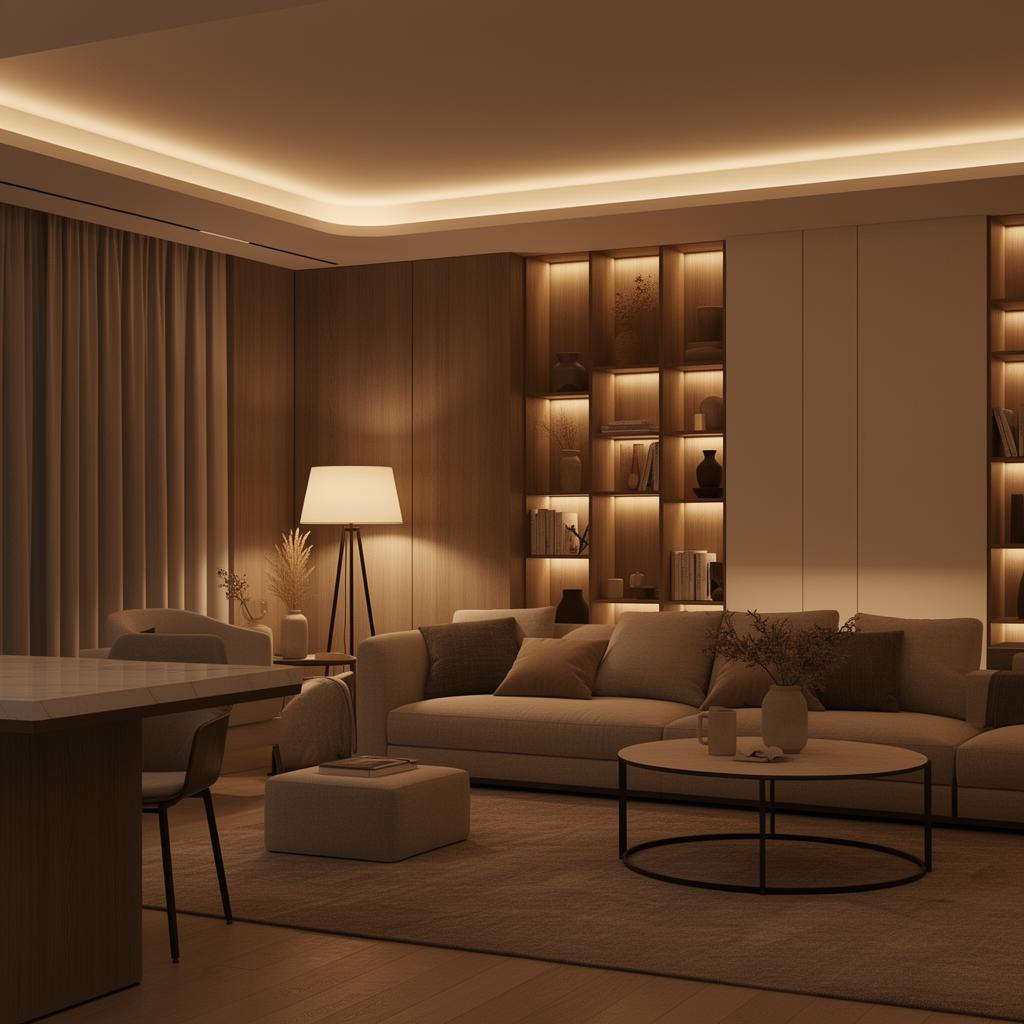
Introduction
Lighting design for living rooms is one of the most common questions homeowners and architects bring to us. The right lux level depends on the space, its use and the design intent.
Why It Matters
A living room is read all day, daylight, casual evening, formal entertaining. Lux that ignores those scenes makes the room feel wrong in one mode or another.
Recommended Lux Levels
| Use Case | Recommended Lux |
|---|---|
| Ambient living room | 100–200 lux |
| Reading or tasks | 300–500 lux |
| Conversation areas | 150–250 lux |
| TV viewing | 50–100 lux ambient |
These are general ranges. The right number depends on architectural finishes, ceiling height, daylight, and design intent.
Why Lux Alone Is Not Enough
- Two rooms with identical lux can feel completely different
- Light distribution matters more than total brightness
- CRI 90+ for material accuracy
- CCT around 3000K for warmth and visual comfort
Layered Lighting Strategy
- Ambient layer (cove, indirect, recessed)
- Task layer (reading, side tables)
- Accent layer (artwork, focal points)
- Decorative layer (chandeliers, pendants)
Common Mistakes
- Uniform high lux across the entire room
- No dimming or scene control
- Single CCT that ignores time of day
- Pendants used as the only ambient source
Professional Recommendation
Aim for 100–200 lux of ambient, layered with 300–500 lux task pools where reading or work happens, all on independent dimmers.
Lighting Intelligence by Alya
At Ashwamedha Design Solutions, this is part of our Lighting Intelligence practice, every recommendation is validated through DIALux simulation, lux calculations and visual comfort analysis before it reaches a construction site. Alya, our lighting intelligence platform, packages this thinking into reusable design tools.
Frequently Asked Questions
Is 100 lux enough for a living room?+
Yes for ambient. Add 300–500 lux task pools at reading positions for usefulness.
Should the whole room be the same brightness?+
No. Hierarchy and contrast define depth. Even lux flattens a living room.
What CCT works best?+
3000K for most modern homes; 2700K for more traditional or evening-led interiors.
Related Service
Residential Lighting Design
See how this thinking is applied on live projects.
Need help applying this to your project?
Our team can review your space and turn these ideas into a measured lighting design.